Therapy Types & Mental Health Counseling in Michigan

Real help for real life.
You don’t need to know the right diagnosis or have all the right words before you reach out. Maybe anxiety is making it hard to shut your mind off. Maybe work is wearing you down, your relationship feels stuck, your child is struggling, or you simply don’t feel like yourself lately.
At Midwest Behavioral Clinic, we work with people from all walks of life—people working long shifts, raising families, running businesses, caring for patients, going to school, building careers and trying to keep everything moving. Our job is to meet you where you are, understand what’s going on and help connect you with a therapist whose experience and approach fit your needs.

What Can We Help You Work Through?
Mental health doesn’t always fit neatly into one box. Many concerns overlap, and you may recognize yourself in more than one category below. That’s completely normal—the goal isn’t to find the perfect label; it’s to find the right support.
Anxiety can show up as constant worry, racing thoughts, irritability, trouble sleeping, physical tension or sudden panic that seems to come out of nowhere. Therapy can help you better understand what is driving the anxiety, recognize patterns and build practical ways to feel more steady and in control.
Depression isn’t always obvious sadness. Sometimes it looks like exhaustion, losing interest in things you used to enjoy, feeling disconnected, struggling to concentrate or just trying to get through another day.
Therapy can provide a place to sort through what you’re experiencing and work toward healthier patterns, stronger coping skills and a greater sense of connection and direction.
ADHD can affect much more than attention. Adults, teens and children may struggle with organization, follow-through, time management, impulsivity, motivation, school or work expectations, relationships and the frustration that comes from constantly feeling behind.
Therapy can help build strategies that work with the way your brain operates rather than simply telling you to “try harder.”
OCD can involve intrusive thoughts, fears, compulsions, reassurance-seeking or routines that temporarily reduce anxiety but become difficult to control. A therapist experienced with OCD can help you understand that cycle and determine which treatment approach may be appropriate, including Exposure and Response Prevention when provided by a trained clinician.
Sometimes there isn’t one big crisis—there is simply too much, for too long. Work pressure, overtime, caregiving, parenting, financial worries, school, responsibilities at home and always being the person others count on can eventually wear anyone down.
Therapy can help you identify what is draining you, set healthier boundaries, improve coping and find a more sustainable way forward.
Trauma & PTSD
Difficult experiences can continue affecting the way you think, feel, react and connect with other people long after the experience itself has ended. Trauma therapy can help people work through PTSD, childhood experiences, abuse, violence, traumatic loss and other experiences that continue to affect everyday life.
Treatment looks different for everyone, and the right approach depends on your history, needs and the training of your therapist.
Grief can follow the death of someone you love, but loss can also come with divorce, infertility, miscarriage, illness, retirement, losing a job or major changes in the life you expected to have. There is no single “right” way or timeline for grieving.
Counseling gives you room to process what happened, make sense of difficult emotions and begin adjusting to life after loss at your own pace.
Even positive changes can throw life off balance. Starting college, changing jobs, becoming a parent, moving, divorce, retirement, an empty nest or simply realizing life is heading in a direction you didn’t expect can leave you feeling uncertain or stuck.
Therapy can give you space to sort through the change, understand what matters to you and decide what comes next.
You don’t need to be in crisis for therapy to be useful. Counseling can help when self-doubt, perfectionism, people-pleasing, harsh self-talk or feeling “not good enough” gets in the way of relationships, work or enjoying your life.
Together, you can work on understanding old patterns, building confidence and developing a healthier relationship with yourself.
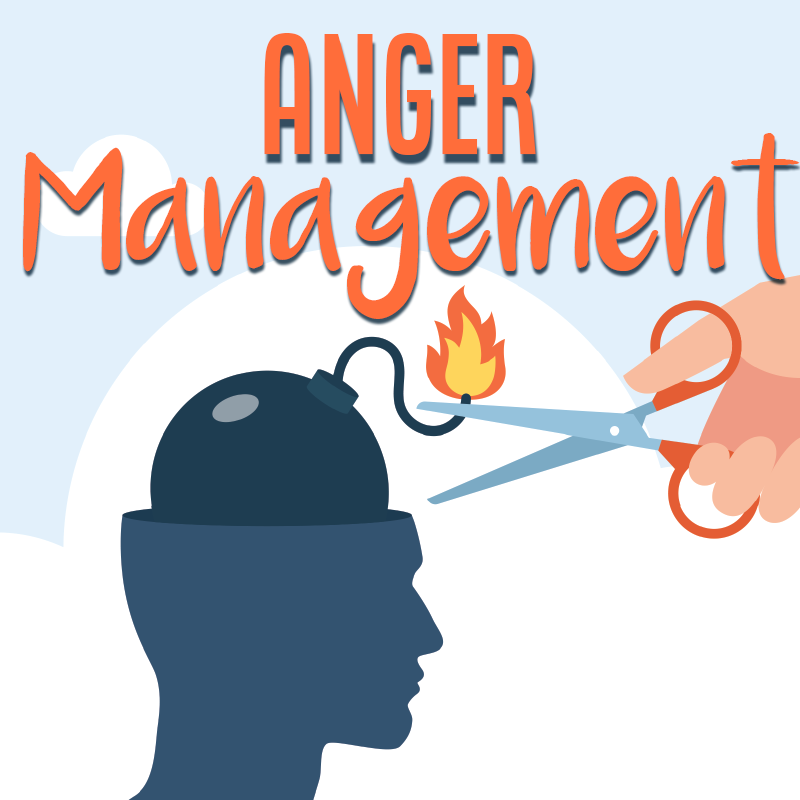
Anger is a normal emotion, but it can become a problem when reactions feel bigger than you want them to be or begin affecting work, family and relationships. Therapy can help you recognize triggers, slow down reactions, communicate more effectively and develop healthier ways to manage strong emotions.
Sometimes alcohol, drugs, gambling, gaming, pornography or other behaviors begin as a way to cope and gradually become harder to manage. Counseling can help you look honestly at patterns, understand what is behind them and work toward changes that fit your goals.
Chronic Illness, Pain & Health Concerns
Living with pain, a chronic condition or uncertainty about your health can affect mood, relationships, sleep, work and the way you see your future. Therapy does not replace medical care, but it can help with the emotional side of living with illness, pain, medical stress or persistent health anxiety.
Relationships, Families & the People Who Matter to You

Relationships, Boundaries & Communication
Living with pain, a chronic condition or uncertainty about your health can affect mood, relationships, sleep, work and the way you see your future. Therapy does not replace medical care, but it can help with the emotional side of living with illness, pain, medical stress or persistent health anxiety.
Chronic Illness, Pain & Health Concerns
When one person in a family is struggling, everyone can feel the effects. Family therapy can help improve communication, reduce conflict, navigate transitions and create healthier ways of working through problems together.
The goal isn’t deciding who is “right.” It is understanding what is happening within the family and finding better ways to move forward.
Parenting & Co-Parenting Support
Parenting can be rewarding and exhausting—sometimes in the same five minutes. Therapy can help parents navigate behavior concerns, communication, different parenting styles, divorce, blended families, co-parenting and the everyday stress of trying to do right by your kids.
Support can focus on the child, the parent or the whole family depending on what is happening.
Not every relationship concern requires couples therapy. Individual counseling can help with unhealthy relationship patterns, codependency, boundaries, conflict, trust, communication, separation, infidelity or learning how to speak up for yourself without feeling guilty.
This can apply to romantic relationships, friendships, family relationships and work relationships.
Identity, Faith & Finding Your Place
Identity & Self-Discovery
It’s normal to reach points in life where you start asking bigger questions: Who am I now? What do I want? Why do I keep falling into the same patterns?
Therapy can help with identity, purpose, self-worth, perfectionism, cultural experiences, major life transitions and building a clearer sense of who you are and what matters to you.
For some people, faith is an important part of how they understand life, relationships and healing. Christian and faith-integrated counseling can make room for those beliefs while also using professional therapeutic approaches.
Your therapist should follow your lead on how much—or how little—you want faith incorporated into the conversation.
Spiritual Concerns & Religious Trauma
Faith can be a source of comfort, but experiences with religion can also leave people hurt, conflicted or questioning what they believe. Therapy can provide a nonjudgmental place to process religious trauma, spiritual abuse, changing beliefs, faith transitions or difficult experiences within a religious community.
You do not have to return to a belief system—or leave one—for therapy to support you.
LGBTQ+ & Gender/Sexual Identity Support
Therapy can provide a confidential place to explore identity, relationships, family dynamics, coming out, self-acceptance, stress and other concerns without assuming that your identity itself is the problem.
Pregnancy, Parenthood & Early Childhood
Perinatal, Pregnancy & Postpartum Mental Health
Pregnancy and the months after birth can bring emotional changes that are difficult to talk about. Counseling can support concerns such as prenatal anxiety, postpartum depression, postpartum anxiety, difficult adjustment to parenthood and other emotional challenges during the perinatal period.
Infertility, Pregnancy Loss & Reproductive Grief
Trying to build a family can sometimes bring grief, uncertainty and emotional exhaustion instead of the experience you expected. Counseling can provide support through infertility, miscarriage, pregnancy loss, infant loss and the strain these experiences can place on individuals and relationships.
Infant & Early Childhood Mental Health
Young children can communicate distress through behavior long before they have the words to explain what they are feeling. Clinicians with appropriate early-childhood training can work with parents and young children around behavior, attachment, emotional development and the parent-child relationship.
Infant & Early Childhood Mental Health
Young children can communicate distress through behavior long before they have the words to explain what they are feeling. Clinicians with appropriate early-childhood training can work with parents and young children around behavior, attachment, emotional development and the parent-child relationship.
Therapy for Children, Teens & Adults

You don’t age out of needing support, and there isn’t one “type” of person who goes to therapy.
Midwest Behavioral Clinic works with children, teens and adolescents, college students, young adults, adults, older adults, parents, couples and families. Depending on clinician experience, MBC also works with caregivers, neurodivergent individuals, veterans and military families, first responders, healthcare professionals, business owners and others dealing with the unique pressures that come with their work or stage of life.
Kids don’t always say, “I’m anxious” or “I’m overwhelmed.” Sometimes it shows up as anger, shutting down, school problems, changes in behavior, trouble sleeping or pulling away from family and friends.
Therapy gives children and teens a place to talk, learn skills and feel understood while giving parents appropriate support along the way.

Therapy Approaches We Use
There is no single therapy method that fits every person or every concern. Our therapists use different approaches based on their training, your goals and what makes sense for your situation.
You do not need to know which therapy method you need before making an appointment. We can help match you with a therapist who uses approaches appropriate for what you’re working through.
CBT helps people recognize connections between thoughts, emotions and behavior and learn practical ways to change patterns that are no longer helping. It is used across many concerns, including anxiety, depression, stress and other emotional or behavioral challenges.
DBT teaches practical skills related to emotional regulation, distress tolerance, mindfulness and relationships. Therapists may incorporate DBT strategies when those skills fit the client’s needs and treatment plan.
Eye Movement Desensitization and Reprocessing, or EMDR, is a structured therapy approach commonly used by appropriately trained clinicians when working with trauma and distressing experiences.
Children often communicate through play before they can fully explain complicated feelings with words. Play-based approaches can give appropriately trained therapists another way to help children express emotions, build skills and work through challenges in a developmentally appropriate setting.
Additional Therapy Approaches
Depending on therapist training and client needs, MBC clinicians may also use approaches including Acceptance and Commitment Therapy (ACT), Internal Family Systems (IFS), Exposure and Response Prevention (ERP), Exposure Therapy, Accelerated Resolution Therapy (ART), Trauma-Focused CBT, Motivational Interviewing, Solution-Focused Brief Therapy, Person-Centered Therapy, Family Systems Therapy, Emotionally Focused Therapy, the Gottman Method, Narrative Therapy, Psychodynamic Therapy, Mindfulness-Based Therapy, Sand Tray Therapy and parent-child or attachment-based approaches.
Not Sure What Kind of Therapy You Need?
You don’t need to figure this out before contacting us.
Tell us a little about what has been going on, where you would like to be seen, whether you prefer in-person or online therapy and anything that matters to you in choosing a therapist. We’ll help you find a clinician whose experience, availability and approach are a good fit.

Therapy In Person or Online Across Michigan
Midwest Behavioral Clinic offers in-person counseling at its offices in Highland, Fenton, Grand Blanc, Shelby Township, and Howell, along with online therapy for eligible clients in Michigan. MBC’s current website confirms those five office locations and telehealth availability.
What can we help you work through?







Whatever it is, hope and help can start here.
Click to find out more about our therapists, their Specialties, Therapy Types, Methods, and more.